In today's lighting industry, designing and manufacturing lamps using new materials is no longer just a luxury choice, but an urgent need to meet challenges such as energy consumption, durability, efficiency and aesthetics. Materials that were used less in the field of lighting now provide new opportunities for lighting manufacturers, designers and engineers to create products with better performance, longer life and less environmental impact.
One of the most important advantages of using new materials in lights is reducing energy consumption and improving efficiency. For example, the use of alloys, advanced polymers, and modular manufacturing technologies have led to a dramatic reduction in energy consumption; Research shows that using modular systems and LED technology can reduce consumption by about 80%.
In addition to energy saving, high durability and easy maintenance are also other outstanding advantages of new materials. Materials with greater resistance to corrosion, harsh environmental conditions and temperature fluctuations provide the possibility of less service and lower maintenance costs. For example, special polymers or resistant alloys are lighter, more flexible, and more precise than traditional metals. Also, the modular construction technology allows parts to be replaced with lower maintenance costs and less time.
From the point of view of aesthetics and visual experience, new materials allow the creation of forms, surfaces and textures that were previously difficult or impossible. Multi-material combinations, the use of smooth surfaces, polished metals, or special optical coatings, all help to enhance the visual effect of the product. This makes the foot lighting design move from the purely "functional" field to "spatial experience" and create indoor or outdoor environments with high light quality and more visual appeal.
The need to use new materials in the design of lights is also palpable in terms of environment and sustainability. Choosing recycled or recyclable materials, reducing production waste and using technologies with less impact on the environment are all signs of this trend that will lead the lighting industry towards a greener future. Optimum use of light, reduction of energy loss and longer lifespan of lights all contribute to reducing environmental effects.
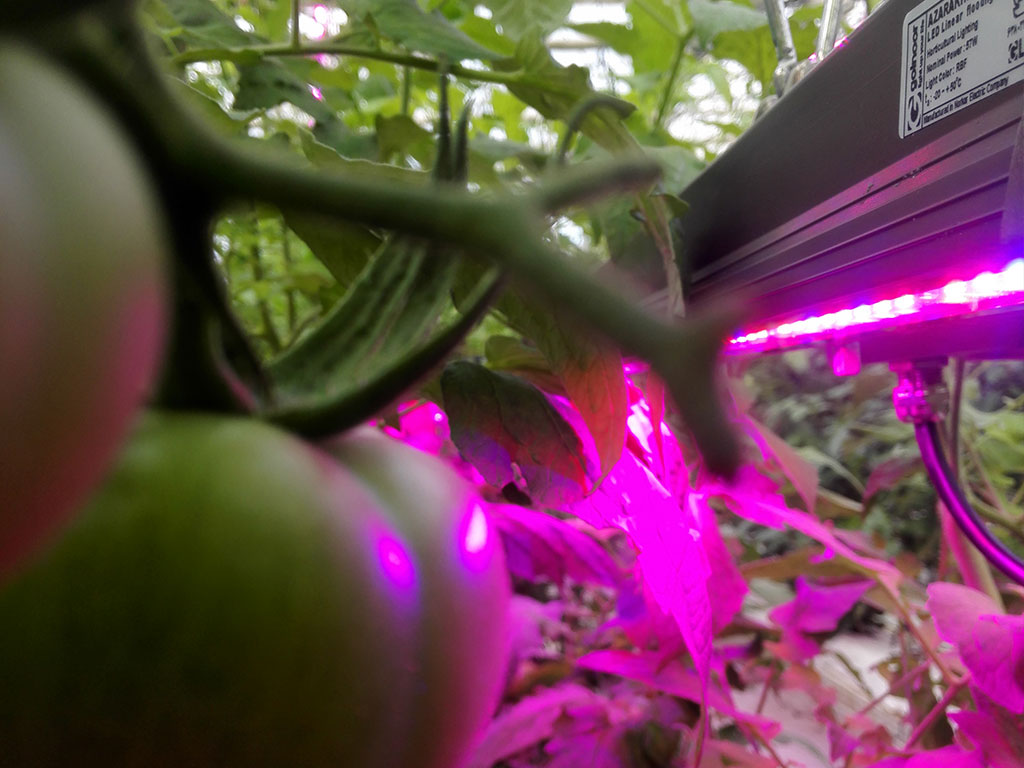
In the biological dimension, light and its wavelength play a fundamental role in the growth of plants and animals. For example, red wavelength light in plants improves longitudinal growth and flower and bud development, while blue wavelength light is effective for transverse growth and resistance in plants.
Also, in livestock farms, proper adjustment of wavelength, light intensity and light-off period can lead to improvement of milk production, animal health and nutritional value of the product.
In fact, designing and manufacturing lights with new materials has become a strategic opportunity for manufacturers and lighting designers; An opportunity that brings significant benefits from various dimensions such as reducing energy consumption, expanding the scope of design, increasing product durability, lower environmental impact and reducing operating costs.Such an approach not only meets today's needs, but also provides a clear vision for the future of the lighting industry; An industry where light is used not only for "seeing" but also for "optimization", "beautification" and "sustainability".