

Mohammad Amini: Staying in Global Markets Is Harder Than Entering | Golnoor
After Golnoor was named a national exemplary exporter, CEO Mohammad Amini says lasting in global markets depends on updated products, consistent quality and competitive pricing.
Golnoor: From Entering Global Markets to Staying Competitive
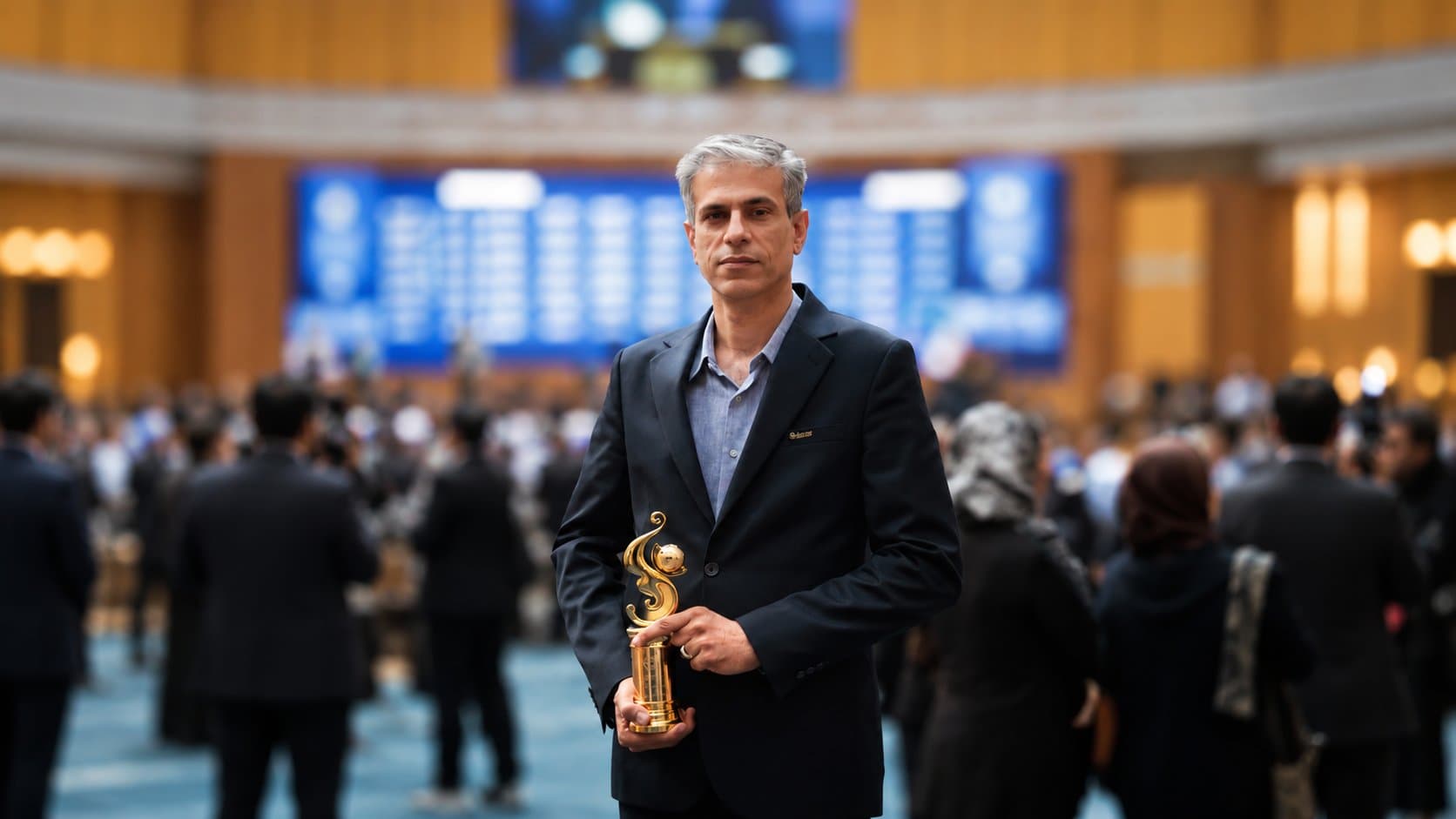
Mohammad Amini, board member and CEO of Golnoor, said after the company was named a national exemplary exporter at the 30th National Export Day ceremony that staying in international markets is the result of keeping products up to date, holding quality and competitive pricing. The ceremony was held on Wednesday, October 21, 2026 (29 Mehr 1405), organized by the Trade Promotion Organization of Iran (TPO).
Golnoor makes luminaires and lighting systems used in street lighting, stadiums and industrial facilities, and some of its products are installed in projects outside Iran.
Amini treats entering a market and staying in it as two separate stages, and stresses the importance of a continuous presence in export markets.
“Entering global markets is one stage; staying in them is another.”
Companies take different routes in, he says. Some enter at a lower price and gradually gain share; well-known brands meet customers who already know them. Whichever route a company takes, holding its position and the customer's trust takes continuous work.
Continuous activity in target markets brings stability and room to grow, but a brand's credibility is always being assessed, and any product or commercial decision can affect it.
Keeping products current and in step with market needs is, for Amini, one of the reasons a brand lasts. Golnoor has tried to develop its products around current demand, so that customers do not have to switch brands to meet a new need.
Price sits in the same frame. Golnoor has aimed to offer its products at a fair price against comparable products, so that a purchase makes economic sense and there is less reason to change brands.
Consistent quality is the other foundation of customer trust. Amini says holding quality over the years takes time and effort, and customers need to know that their next purchase will be just as reliable.
He also points to updated technology, higher efficiency and better product performance, which in many cases have cut energy consumption by 30 to 40 percent. That advantage matters more in countries with high energy costs or constrained supply.
Iraq is one such market. Lower energy consumption, Amini says, can be a serious economic advantage for customers there and can influence which product they choose.
He closes on the same point: staying in a global market depends on sustained effort and on answering customer needs. A continuous presence only protects and grows a market when the product moves with the need, and the customer has a clear reason to choose it again.